Frequently Asked Questions About Volunteering in Mozambique
Do I need to be a scuba diver to volunteer in Mozambique?
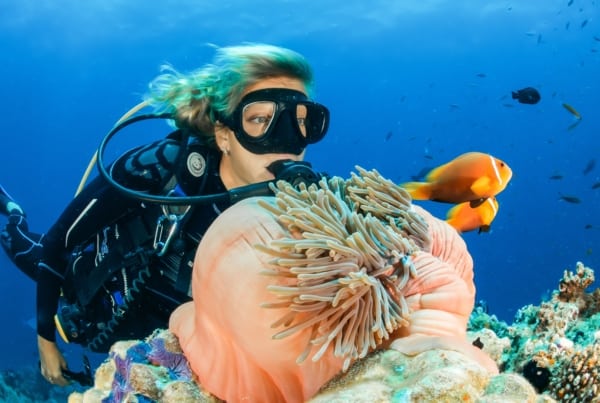
A PADI Open Water diving certification is required for the full research programme, which involves reef transect dives, manta ray surveys, and species monitoring at depth. If you are not yet certified, dive courses can be arranged at the dive centre in Tofo before your placement begins. Some non-diving activities are available, including whale shark ocean safaris by snorkel and beach surveys, but the range of research activities is more limited without a diving qualification. Our marine internships in Mozambique are best suited to certified divers.
Will I definitely see whale sharks?
Whale sharks are present in Tofo waters year-round, making this one of the most reliable whale shark locations in the world. However, sightings on any given day are not guaranteed. In peak months the research team may encounter them multiple times a week. In quieter periods, a week may pass with limited sightings. The honest advice is to come expecting to contribute to whale shark research, and let the encounters be what they are. Over 850 individual whale sharks have been identified in the Tofo area and the research your photo-ID work contributes to is genuinely significant.
What is the best time of year to volunteer in Mozambique?
Diving and research activities are possible year-round. Whale sharks are present throughout the year, with slightly stronger aggregations from September to May. Manta rays peak roughly from May to December. June to September is humpback whale migration season, when hundreds of humpback whales pass through the Tofo waters. October to February brings increased sea turtle nesting activity. There is genuinely no bad time to visit, though August can be windier with slightly rougher conditions.
What marine species will I research in Mozambique?
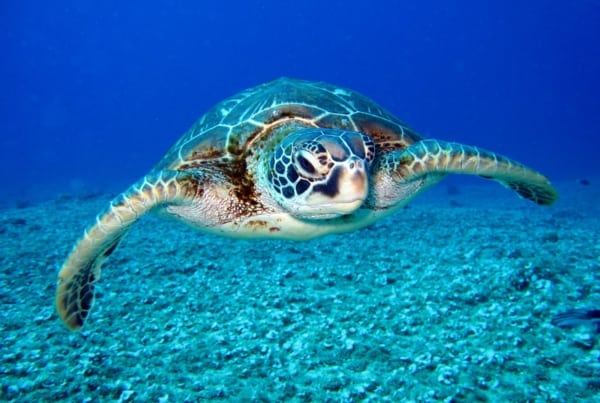
The primary research focus is on marine megafauna: whale sharks, manta rays, sea turtles, bottlenose and spinner dolphins, and humpback whales (seasonally). Coral reef monitoring covers indicator fish species, coral cover and health, and echinoderms. The programme also monitors leopard sharks, guitar fish, seahorses in the local estuary, and conducts regular microplastic beach surveys. The Inhambane area has one of the largest individually identified manta ray populations in the Indian Ocean, with over 1,000 animals catalogued.
What is Africa’s first permanent marine observatory?
Our Mozambique programme is based at Africa’s first permanent marine observatory in Tofo, which operates on a long-term time-series research model. Rather than running seasonal studies, the observatory maintains continuous monitoring of the ecosystem across years and decades. This allows researchers to detect trends, track population changes, and understand how the ecosystem responds to events such as coral bleaching or shifting megafauna distributions. The data collected by volunteers feeds directly into this long-term dataset.
How long should I plan to stay?
The minimum placement for certified divers is two weeks. For non-certified volunteers completing a dive course on arrival, a minimum of three weeks is required to allow time for certification before research activities begin. We strongly recommend four weeks or more. The longer you are in Tofo, the more you contribute to the research and the more meaningful the experience becomes. Many volunteers extend their original placement once they are in the field.
Where will I stay and what is included?
Volunteers are accommodated at Tilak Lodge, which sits directly next to the dive centre and is a short walk from Tofo beach. Programme fees cover accommodation, meals, airport transfers from Inhambane Airport, dive equipment use, and all research activities. International flights, travel insurance, personal spending, and optional recreational dives at weekends are not included. Contact us for full pricing details based on your dates and programme preference.
What is the nearest airport and how do I get there?
The nearest airport is Inhambane Airport (INH), which has connections from Maputo, Mozambique’s capital. Most international volunteers fly into Maputo and take an onward domestic flight to Inhambane, or travel overland. Airport pickup from Inhambane to Tofo is included in the programme and takes approximately 20 minutes. We provide full pre-departure logistics guidance when you book.