MARINE CONSERVATION INTERNSHIPS ABROAD
A marine conservation internship with Marine Impact offers something most standard internships cannot: genuine field research experience alongside professional marine scientists, in some of the world’s most important ocean ecosystems. You are not observing or shadowing. You are a functioning member of a research team, contributing to ongoing conservation science that produces real outputs.
Our internship programmes are more intensive than our standard volunteer placements. They suit students seeking field research credit, graduates building conservation credentials, and early-career professionals looking for substantive experience in applied marine science. Full training is provided, and you work under the direct supervision of qualified researchers throughout.
What Makes a Marine Impact Internship Different?
The difference is the quality and rigour of the research you participate in. Marine Impact’s programmes are built around genuine, ongoing scientific research objectives, not activities designed to keep volunteers occupied. The data you collect feeds into long-term monitoring datasets, some of which contribute to peer-reviewed publications and conservation policy decisions.
As an intern, you take on greater responsibility within the research team than a standard volunteer. You develop a deeper understanding of the methodology, contribute to data analysis, and build the kind of field experience that is directly valuable for postgraduate study or a career in marine conservation.
What Will You Do During Your Marine Internship?
Internship fieldwork is intensive and varied. Activities depend on your destination and programme, but typically include:
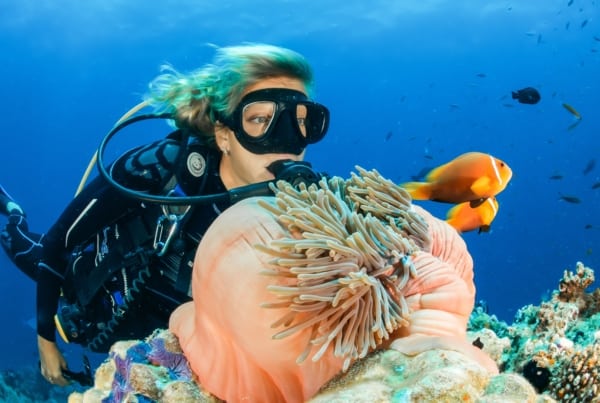
- Research scuba diving, conducting reef health transects, species surveys, and megafauna monitoring dives
- Marine species identification and population assessment across coral reef and open water environments
- Photo-identification cataloguing and database management, tracking individual animals over time
- Water quality monitoring and environmental data collection to track climate-driven ecosystem change
- Megafauna surveys recording manta rays, whale sharks, dolphins, sea turtles, and shark species
- Assistance with scientific report writing and data analysis
- Community engagement and marine education outreach with local schools and fishing communities
Most of our internship programmes include dedicated skills development sessions in research methodology, scientific diving techniques, and marine biology. Some programmes also include SDI Advanced Adventure Diving and Research Diver certifications.
Where Can You Intern?
Marine Impact runs internship programmes across three primary destinations, each offering a distinct marine research environment:
- Zanzibar, Tanzania: Dolphin research, turtle conservation, and coral reef monitoring. Year-round availability, warm Indian Ocean waters, with resident spinner and bottlenose dolphin populations studied continuously over many years.
- Mozambique: Based at Africa’s first permanent marine observatory in Tofo. Research focuses on manta rays, whale sharks, and coral reef ecosystem health, using time-series methodology with environmental sensors, underwater surveys, and seawater sampling.
- South Africa: Great white shark research in Gansbaai, contributing to long-term population monitoring of this globally vulnerable species. Cage diving forms part of the research methodology.
Internship Focus Areas
You can choose a broad marine research internship or focus on a specific conservation challenge:
- Marine Research Internships: Comprehensive reef and ecosystem research across all destinations
- Dolphin Research: Population dynamics, acoustic monitoring, and behavioural studies on wild dolphin populations
- Turtle Conservation: Nesting beach patrols, hatchery management, and in-water population surveys
- Shark Conservation: Great white shark monitoring and broader reef shark population research
Who Is This For?
Our marine internships are best suited to:
- University students in marine biology, marine science, ecology, zoology, or environmental science seeking field research credit or dissertation support
- Recent graduates building practical field experience before postgraduate study or a conservation career
- Early-career professionals transitioning into marine science or conservation
- Experienced divers with a strong interest in contributing to applied marine research
A PADI Open Water diving certification is required for most programmes. If you don’t hold one, it can be arranged locally before or at the start of your internship. Some programmes include SDI Advanced certification as part of the placement.
How Long Are the Internships?
Internship placements typically run from four weeks to three months. Longer placements are strongly encouraged. The longer you are in the field, the more you contribute to the research and the deeper your scientific understanding becomes. We work with universities to accommodate academic schedules and credit requirements. Get in touch to discuss your specific requirements.
Why Marine Impact?
Marine Impact was founded by the team behind African Impact, with nearly two decades of experience running award-winning conservation programmes, in partnership with leading marine scientists. Our scientific partnerships include the Central Caribbean Marine Institute, headed by Dr Gretchen Goodbody-Gringley, a reef ecologist with a PhD from Harvard University. The research our interns contribute to is credible, rigorous, and matters.
We are committed to ethical, responsible wildlife interaction throughout. All fieldwork follows established research protocols. Our intern alumni have gone on to careers in marine research, conservation policy, environmental consultancy, and postgraduate study in marine science worldwide.
Choose from our marine conservation internship programmes below, or get in touch if you have any questions: