MARINE RESEARCH PROGRAMMES
Marine research is the foundation of effective ocean conservation. Without rigorous, sustained data collection on species populations, reef health, water conditions, and animal behaviour, conservation decisions lack the evidence they need to succeed. Marine Impact’s marine research programmes put you at the heart of that work, placing volunteers alongside professional marine scientists in some of the world’s most biodiverse and ecologically significant ocean environments.
These are not wildlife-watching trips with a research label attached. Every programme runs a structured research methodology, collecting data that contributes to long-term conservation monitoring. When you join a Marine Impact marine research programme, you become a contributing member of an active scientific team.
What Does Marine Research Volunteering Involve?
Marine research fieldwork is varied, physically engaging, and genuinely rewarding. Depending on your programme and destination, typical activities include:
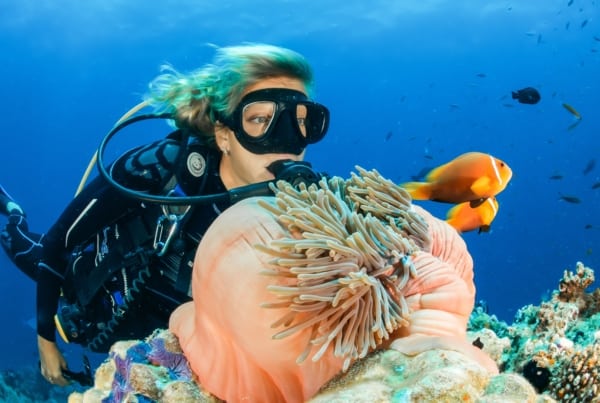
- Scuba diving and snorkelling surveys to assess reef health, coral cover, and species abundance
- Underwater transect surveys, the standard methodology for measuring biodiversity across defined areas of reef
- Species identification and cataloguing, building databases of marine life across programme sites
- Photo-identification work, tracking individual animals over time to understand population dynamics and behaviour
- Water quality monitoring, including measurements of temperature, salinity, and acidity to track climate-driven change
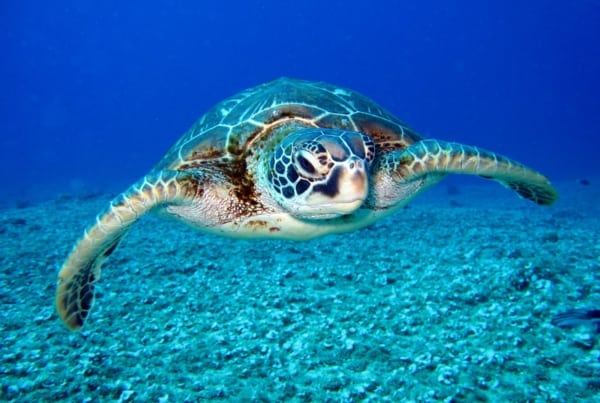
- Megafauna surveys recording sightings of whale sharks, manta rays, turtles, dolphins, and other large marine species
- Data entry and analysis, contributing to research datasets that feed into long-term conservation strategies
- Community education initiatives in partnership with local schools and fishing communities
All research activities follow established scientific protocols and are supervised by qualified marine biologists and field scientists. Full training is provided and you do not need prior research experience to join.
Who Is Marine Research Volunteering For?
Our marine research programmes attract a wide range of participants. Gap year students seeking meaningful field experience, university undergraduates in marine biology, environmental science, or ecology, career professionals taking a sabbatical, and career changers exploring conservation as a new direction all join our programmes. What connects them is a genuine commitment to contributing to ocean science, not just observing it.
A basic level of comfort in the water is required. Most programmes require a PADI Open Water diving certification. If you don’t hold one, it can be arranged locally before or during your programme. Some snorkel-based research programmes are also available for non-divers.
Where Can You Do Marine Research With Marine Impact?
Marine Impact runs marine research programmes across some of the Indian Ocean’s most important marine ecosystems. Each destination offers a distinct research context and a different set of species and habitats to study:
- Zanzibar, Tanzania: Coral reef research, dolphin population monitoring, and turtle conservation in warm Indian Ocean waters. One of the most biodiverse reef systems in East Africa.
- Mozambique: Megafauna research focused on whale sharks, manta rays, and marine turtles. Africa’s first permanent marine observatory operates here, using time-series methods to track long-term ecosystem change.
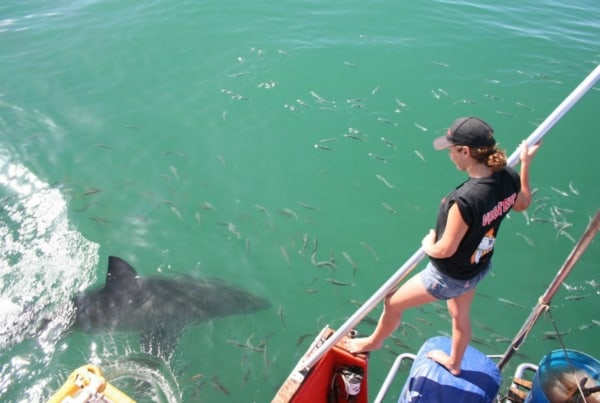
- South Africa: Great white shark research in Gansbaai, one of the world’s most significant shark habitats, contributing to long-term population monitoring of this vulnerable species.
Programme Types Available
Marine research opportunities with Marine Impact span several programme formats to suit different timescales, goals, and levels of experience:
- Volunteer programmes: Flexible start dates, open to all backgrounds, ideal for those seeking a meaningful contribution without academic prerequisites
- Marine research internships: More intensive placements suited to students seeking field research credit or early-career professionals building conservation experience
- Courses: Structured learning programmes combining research fieldwork with formal training
- Group programmes: Tailored marine research expeditions for university departments, school groups, and corporate teams
Research Focus Areas
Beyond general marine research, Marine Impact offers specialist programmes focused on specific species and conservation challenges:
- Dolphin Research: Population monitoring, acoustic studies, and behavioural research on spinner and bottlenose dolphin populations
- Turtle Conservation: Nesting beach patrols, hatchery management, and in-water turtle population surveys
- Shark Conservation: Great white shark population research and broader reef shark monitoring programmes
Why Marine Impact?
Marine Impact was built on the partnership between African Impact, one of Africa’s most established conservation volunteer organisations with nearly two decades of experience, and leading marine scientists including Dr Gretchen Goodbody-Gringley, a reef ecologist with a PhD from Harvard University and director of the Central Caribbean Marine Institute. That combination of scientific rigour and operational expertise means the research you contribute to is both credible and well-supported in the field.
Our programmes are designed to produce data that matters, contributing to long-term monitoring datasets, peer-reviewed research, and conservation policy decisions. You are not a tourist. You are a contributor to ongoing science.