
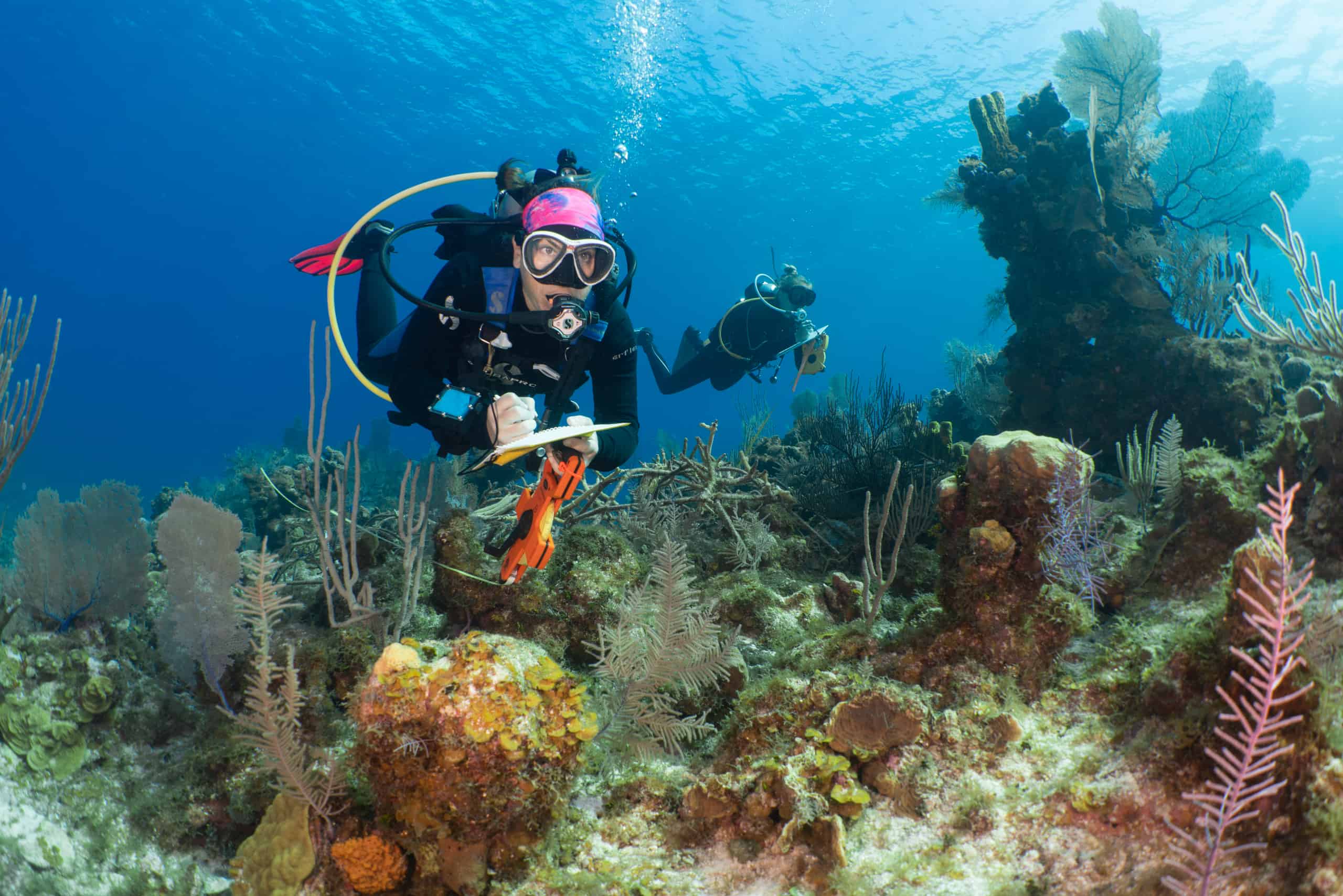
Beneath the turquoise waters surrounding Zanzibar lies one of the Indian Ocean’s most extraordinary ecosystems. A vast network of coral reefs teeming with life. These reefs are home to hundreds of fish species, sea turtles, rays, and countless invertebrates. They protect coastlines from erosion, support local fishing communities, and draw visitors from around the world.
They’re also in trouble.
If you’ve ever wanted to do something meaningful about the health of our oceans, coral reef conservation volunteering in Zanzibar is one of the most direct ways to make an impact.
The Threats Facing Zanzibar’s Reefs
Zanzibar’s reefs face a combination of global and local pressures:
- Climate change and bleaching: rising ocean temperatures cause corals to expel the algae living in their tissues, turning them white and leaving them vulnerable to disease and death. Zanzibar experienced significant bleaching events in 1998 and again in 2016.
- Ocean acidification: as oceans absorb more CO2, they become more acidic, weakening coral skeletons and slowing reef growth.
- Destructive fishing practices: dynamite fishing, though illegal, still occurs in some areas and causes catastrophic damage to reef structures.
- Anchor damage and unregulated diving: physical contact with coral, whether from anchors, fins, or careless touching, breaks fragile coral structures that may have taken decades to grow.
- Coastal development and runoff: sediment and pollutants from inland development smother reefs and block the sunlight corals need to survive.
Why Volunteer Data Matters
One of the biggest challenges in coral reef conservation is simply knowing what’s there and whether it’s changing. Comprehensive reef surveys require thousands of hours of underwater observation, far more than any small research team can manage alone.
This is where marine conservation volunteers become genuinely essential. The data collected by trained volunteers during reef transect surveys builds long-term records of reef health, fish populations, coral cover, and species diversity. This information is used by conservation bodies, government agencies, and international researchers to understand how reefs are changing and what interventions are needed.
Without volunteer contributions, large-scale reef monitoring simply wouldn’t happen.
What Reef Conservation Volunteers Do in Zanzibar
As a reef conservation volunteer on our Zanzibar reef programme, your typical activities will include:
- Belt transect surveys: swimming a set distance along the reef while recording every coral and fish species within a defined width on either side
- Coral health assessments: identifying and recording signs of bleaching, disease, algae overgrowth, and physical damage
- Fish count surveys: identifying and counting fish species at survey sites to monitor biodiversity and detect changes over time
- Invasive species monitoring: tracking populations of crown-of-thorns starfish and other species that can devastate reefs if left unchecked
- Reef restoration activities: some programmes include coral gardening, where fragments of coral are grown in underwater nurseries before being transplanted back to degraded reef areas
You Don’t Need to Be a Marine Biologist
Full training is provided for all volunteers. You’ll learn species identification, survey methodology, and data recording before entering the water. If you’re not yet a qualified diver, a PADI Open Water certification is usually available as part of or alongside the programme.
What you do need is a genuine interest in the ocean, a willingness to learn, and the patience to do careful, methodical work. The rewards, both scientific and personal, are enormous.
The Bigger Picture
Healthy coral reefs support an estimated 25% of all marine species despite covering less than 1% of the ocean floor. In Zanzibar, they are the foundation of the local economy, the food security of coastal communities, and the natural heritage of the entire region.
Every survey you complete, every data point you record, every hour you spend underwater adds to the collective knowledge that gives conservationists the tools to protect these ecosystems.
The reefs of Zanzibar are worth fighting for. Join the Zanzibar reef conservation programme and become part of the effort to protect them.