Zanzibar stops people mid-sentence. You start to describe it and the adjectives feel insufficient. Warm Indian Ocean water, white sand beaches, a UNESCO World Heritage town, coral reefs that shelter some of East Africa’s most extraordinary marine biodiversity, and resident populations of spinner and bottlenose dolphins that have been studied continuously since 2013. As a destination, it would be enough. As a place to contribute to meaningful marine conservation research, it is exceptional.
This guide covers everything you need to know before you go, from choosing the right programme to packing your bag and knowing what to expect when you arrive. It is written for people who are serious about the experience and want accurate information rather than recruitment brochure language.
Which programme is right for you?
Marine Impact runs several distinct programme types in Zanzibar, and the right one depends on your background, your available time, and what you want to get out of the experience.
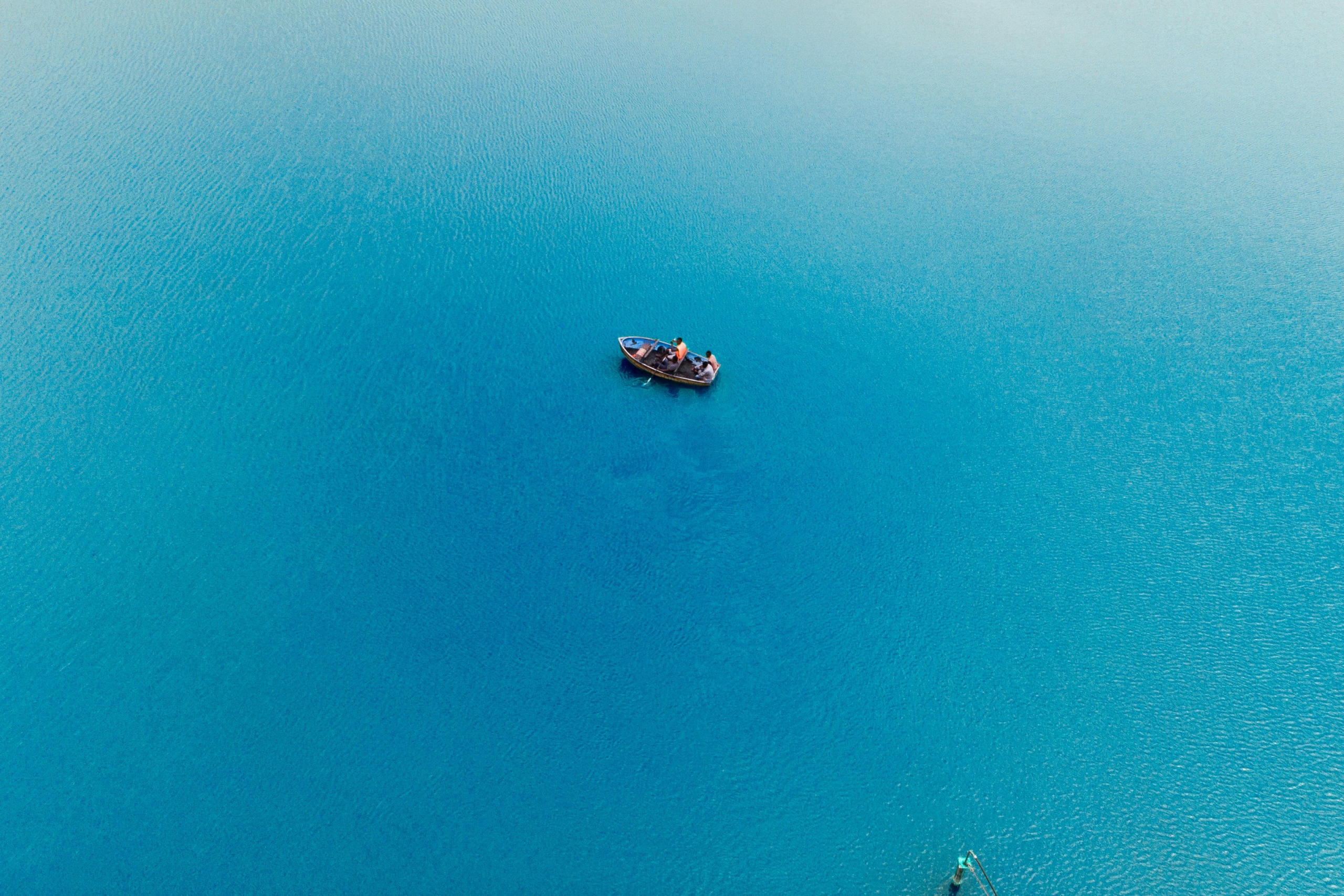
The Dolphin Research and Marine Conservation programme is the flagship. Based in Kizimkazi on Zanzibar’s south coast, within the Menai Bay Conservation Area, it focuses on monitoring the resident spinner and bottlenose dolphin populations, documenting human-dolphin interactions, conducting coral reef bleaching surveys, and engaging with local fishing communities on sustainable practices. This programme has been running since 2013 in partnership with the University of Dar es Salaam, and the research dataset it has built is now over a decade old. It is available year-round, with new groups starting every two weeks.
If your interest is in broader reef ecology and species research, our general marine research programmes involve more intensive scuba diving survey work across a wider range of species and reef sites. A PADI Open Water diving certification is required for these.
For students and graduates seeking a more intensive placement with higher responsibility and research involvement, our marine conservation internships in Zanzibar offer a structured placement that can be aligned with academic requirements and dissertation work.
When is the best time to go?
The short answer is that Zanzibar is a year-round destination and the marine programmes run continuously. But there are seasonal differences worth knowing about.
The long rains run from late March to May, and the short rains fall in November. During these periods, sea conditions can be rougher and dolphin surveys more challenging, though the programmes continue. June to October is generally the driest and most reliably calm period for fieldwork, and many volunteers find this the most productive time for research dives and surveys. December to February brings warm, settled conditions and excellent visibility.
Turtle nesting season peaks between October and February, which adds an additional conservation dimension to programmes running during those months. If sea turtle work is a particular interest, these months offer the most active nesting beach monitoring. See our turtle conservation page for more detail on what that involves.
The dolphin population is resident year-round. There is no bad season for the dolphin research work, though morning surveys are tide-dependent and the schedule adapts accordingly throughout the year.

How long should you go for?
Programmes start from two weeks. The honest advice is that two weeks is a foundation, not a full experience. The first few days of any placement involve orientation, training, and settling into the research rhythm. By the end of week one, most volunteers are hitting their stride. Week two is where the work deepens and where you start to feel the continuity of what you are contributing to. Three to four weeks is the sweet spot for most people: long enough to contribute meaningfully, short enough to remain focused throughout. Beyond four weeks, placements tend to produce the most scientifically valuable data, and many volunteers find the experience transforms from excellent to genuinely life-changing around the six-week mark.
Do you need a diving qualification?
It depends on the programme. The Dolphin Research programme is primarily snorkel-based for the dolphin surveys, with coral reef survey work also conducted by snorkel. No diving certification is required to join, which makes it accessible to a wide range of participants.
For general marine research programmes involving reef transect surveys and species monitoring by scuba, a PADI Open Water certification is required. If you do not hold one, it can be arranged locally before your placement begins. Zanzibar has good dive schools and the certification process typically takes three to four days.
For internships involving advanced research diving, an Advanced Open Water or equivalent qualification is preferred. If you are planning an internship, it is worth getting certified to Advanced level before you arrive to maximise your time in the research programme rather than in the training pool.
Where will you be based?
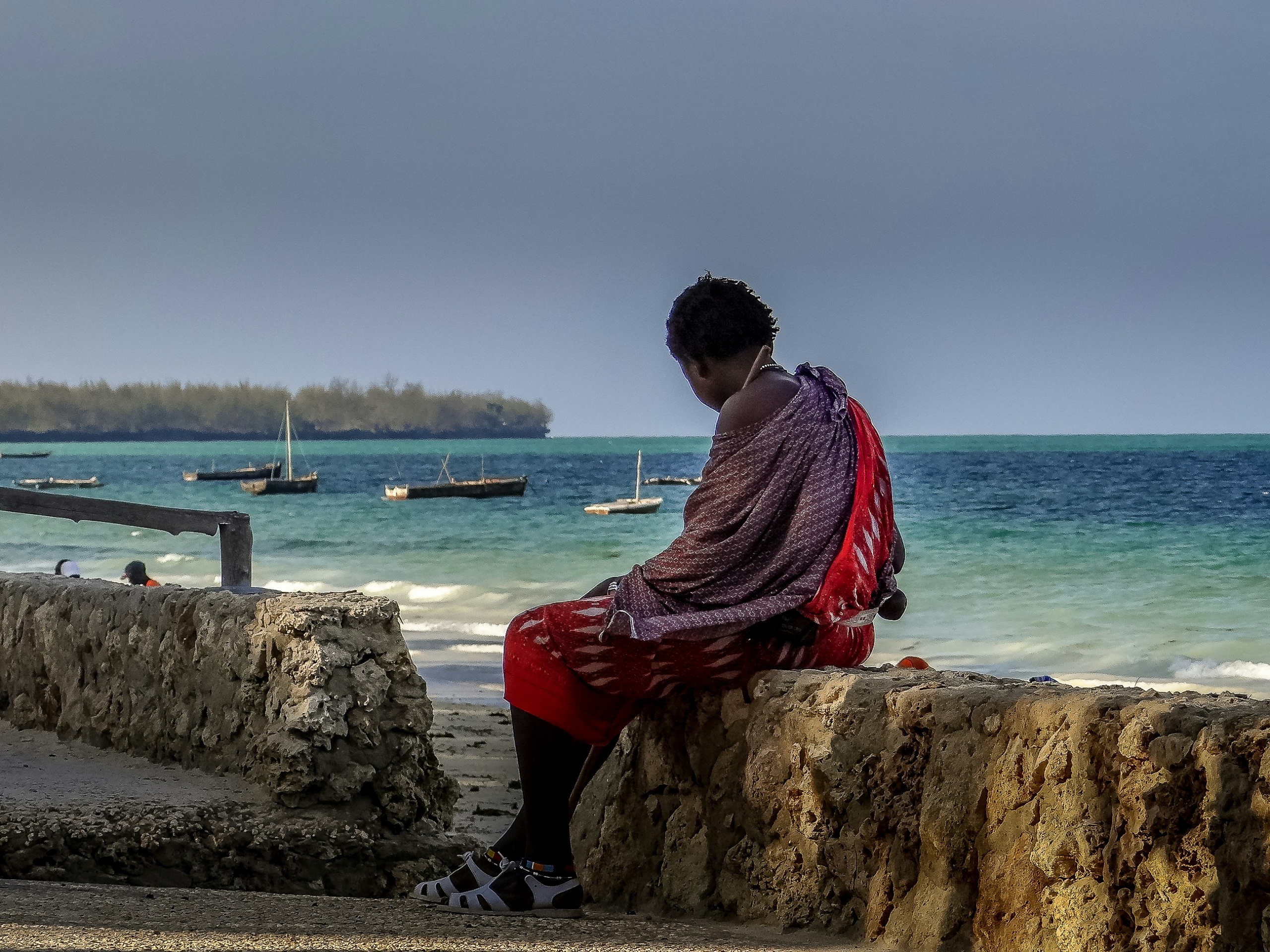
Volunteers on the Dolphin Research programme are based in Jambiani, a village on Zanzibar’s south-east coast, and travel to Kizimkazi for dolphin surveys and research work. Jambiani is a genuine Swahili fishing village with a long, relatively quiet beach, local restaurants, and the kind of community atmosphere that quickly makes volunteers feel at home rather than passing through.
Accommodation is in the programme’s volunteer house, shared with other volunteers and the local staff team. Meals are provided Monday to Friday. Weekends are free, and staff help organise activities for those who want guidance.
Stone Town, Zanzibar’s UNESCO-listed historic centre, is about an hour’s drive from Jambiani and worth at least one full day. The old Arab quarter, the spice market, Freddie Mercury’s birthplace, the rooftop bars at sunset. It is a genuinely extraordinary place. Most volunteers make the trip in their first or second weekend and often return.
What does a typical week look like?
The schedule is tide-dependent, which means it shifts slightly each day. But the general rhythm is consistent. Early starts for dolphin surveys, departing around 6:30am by boat to monitor dolphin pods in Menai Bay. Morning research activities run until around midday and include dolphin behavioural data collection, recording tourist boat numbers and human-dolphin interactions, and snorkel-based coral reef surveys. Afternoons involve data entry, species ID training, conservation education club sessions with local school students, and occasionally community activities such as mangrove planting or beach clean-ups. Evenings are your own.
Saturday and Sunday are free. The most common weekend activities include visiting Stone Town, kite surfing lessons (Zanzibar’s east coast is one of the best kite surfing locations in Africa), snorkelling trips to Mnemba Atoll, and day trips into the Jozani Forest to look for the endemic Zanzibar red colobus monkey.
What should you pack?
The essentials for marine fieldwork in a tropical coastal environment are fairly consistent. Reef-safe sunscreen is both practical and important given the research context. A good quality snorkel mask beats any hire mask for comfort over long sessions. Rash vests and thin wetsuits are more comfortable than swimwear alone for extended time in the water. Quick-dry technical clothing is better than cotton in the field. A dry bag for cameras and electronics on the boat is non-negotiable.
For life on land in a Muslim community, modest dress outside of the beach environment is respectful and appreciated. Light cotton or linen clothing that covers shoulders and knees for village visits and town trips. Comfortable walking sandals that can also get wet.
Note that as of October 2024, Zanzibar requires all tourists to purchase mandatory travel insurance on arrival (approximately $44 via the Zanzibar Insurance Corporation website). This is separate from and does not replace standard travel insurance, which you should obtain independently before departure.
What does it cost?
Programme fees cover accommodation, meals Monday to Friday, airport transfers, and all research activities. They do not typically cover flights, travel insurance, personal spending, or optional weekend activities. For accurate and current pricing, the best approach is to contact us directly with your intended dates and programme preference. We will give you a full breakdown and answer any questions about what is and is not included.
Personal spending in Zanzibar is modest by international standards. Budget around $100 to $150 per week to cover drinks, occasional meals out, weekend activities and any souvenirs or transport you arrange independently.
Practical logistics
The nearest international airport is Zanzibar International Airport (ZNZ), with direct connections from Dar es Salaam (a short 20-minute flight), Nairobi, Addis Ababa, Dubai, and several European hubs. Most nationalities can obtain a visa on arrival at ZNZ for a fee (currently around $50 USD). Check the current requirements for your nationality before departure as these change periodically.
Airport pickup is arranged as part of the programme. You will be met on arrival and transferred directly to the volunteer base, which is approximately 1.5 hours from the airport depending on traffic and route. The transfer is a useful decompression window after a long journey and gives you a first look at the island before the programme begins the following morning.
Health-wise, standard tropical precautions apply. Malaria prophylaxis is recommended. Check your vaccinations with a travel health clinic at least six weeks before departure. The water in Zanzibar is not safe to drink from the tap. Bottled or filtered water is the norm and will be provided at the volunteer base.
Ready to go?
If you have read this far, you are probably the kind of person who would do well on this programme. Organised, thorough, genuinely curious. The research needs that kind of volunteer, and Zanzibar rewards that kind of traveller.
Browse our full range of Zanzibar programmes, take a look at what marine conservation volunteering involves more broadly, or get in touch with your dates and questions. We will help you find the right placement and make sure you arrive prepared.