
Marine conservation organisations offer several different types of programme, and the differences between them matter. A volunteer placement, a structured internship, a university research partnership, and a short course are not the same thing. They serve different purposes, suit different people, and produce different outcomes. Choosing the wrong type is not a disaster, but it does mean spending time and money on something that does not serve your actual goals.
Here is a clear breakdown of each type, who it suits, and how to think about the decision.
Volunteer programmes
A marine conservation volunteer programme places you in the field as an active contributor to ongoing research. You collect data, assist with species surveys, and participate in the day-to-day work of a functioning research station. The commitment is typically two to twelve weeks. You do not need prior scientific experience. Training is provided on arrival.
Volunteer programmes are the right choice if you want direct field experience, are driven by a genuine interest in conservation rather than a specific career outcome, and want flexibility in duration and timing. They are also the most accessible entry point for people who have not yet decided whether marine conservation is the direction they want to pursue professionally.
What they are not: a certificate programme, a skills course, or a research position. The data you collect contributes to real science, but you are not leading the research. You are supporting it.
Marine conservation internships
Internships are longer, more structured, and more demanding than standard volunteer placements. The minimum commitment is usually four weeks, and most participants stay for two to three months. The depth of training is greater. The expectation of contribution is higher. Interns typically take on specific research responsibilities, manage data collection for particular survey strands, and may assist with analysis and reporting.
Internships are designed for people who are serious about marine science as a career. Gap year students with a science background, undergraduates seeking field credits, recent graduates preparing postgraduate applications, and career changers making a deliberate move toward conservation science all find the internship format more useful than a shorter volunteer placement.
The skills developed across a well-run marine internship, from underwater survey methodology and species identification to acoustic monitoring and long-term dataset management, appear directly on conservation job descriptions and postgraduate programme entry requirements.
Courses and diving qualifications
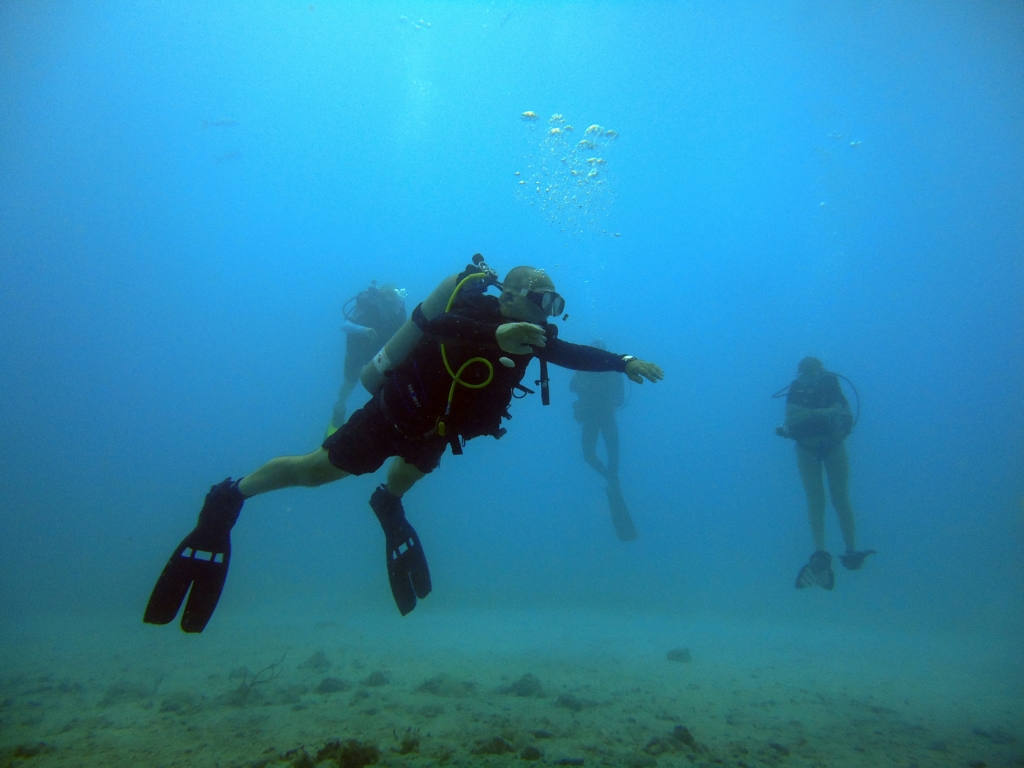
Some marine conservation organisations offer short courses focused on specific skills. These might cover coral reef assessment methods, marine species identification, underwater research techniques, or dive certifications from PADI Open Water through to Divemaster or research diver qualifications.
Courses are the right choice if you have a specific skill gap to address and a short window of time. They are also a useful way to prepare for a longer programme. Completing your PADI Open Water before an internship, for example, means the early days of the programme focus on research rather than diving fundamentals.
Marine Impact offers a range of courses that can be completed as standalone programmes or combined with a volunteer placement or internship. Details are on the courses page.
University and academic partnerships
If you are a university student or academic researcher, a formal institutional partnership may be the most appropriate route. Marine Impact works with universities and academic groups to design placements that align with specific research objectives, dissertation requirements, or teaching programmes. These arrangements can include credit-bearing placements, access to existing long-term datasets for dissertation research, or structured field schools for student groups.
The advantage of this route for students is that the time you spend in the field can count formally toward your degree rather than sitting alongside it. For academics, it provides access to research infrastructure and long-term data in the Indian Ocean without the cost of establishing a station independently.
How to decide which type is right for you
Start with time. How long can you commit? Two to three weeks of availability points toward a shorter volunteer placement or a course. Four weeks or more opens up the internship option. Longer than two months makes a full internship or an academic partnership worth considering.
Then consider purpose. Are you going because conservation matters to you and you want to contribute in a meaningful way? A volunteer programme fits. Are you going because marine science is a serious career direction and you need credible field experience? An internship is the better investment. Are you going as part of a degree programme and need the experience to count academically? Talk to us about the university partnership route.
Finally, consider experience level. If you have no field experience at all, starting with a volunteer placement and moving to an internship on a second trip is a well-trodden path. Many of Marine Impact’s interns came through as volunteers first.
Where Marine Impact programmes are based
Marine Impact runs programmes in Zanzibar, off the coast of Tanzania, and in Mozambique. Both locations sit in the western Indian Ocean, one of the most biodiverse marine environments on the planet. Zanzibar supports year-round programmes covering dolphin research, reef ecology, and general marine conservation. Mozambique programmes focus on whale shark and manta ray research, with seasonal humpback whale activity adding to the research calendar between July and October.
The choice of location can be part of the decision about programme type. If you have a specific species interest, that will point you toward one destination over the other.
Get in touch
If you are not sure which programme type fits your situation, the most useful thing to do is contact us directly. Tell us when you are thinking of going, what your background is, and what you are hoping to get from the experience. We will help you work out the right option from there.