Sharks are not the threat they are portrayed to be. They are a critical part of ocean ecosystems, and their decline is one of the clearest indicators that something is seriously wrong with the health of the marine environment. Globally, an estimated 100 million sharks are killed every year, the majority through commercial fishing, finning, and bycatch. Many species are now listed as vulnerable, endangered, or critically endangered on the IUCN Red List.
Shark conservation volunteering is fieldwork aimed at reversing that trend. Here is what it involves, what you actually do in the water and on land, and what you gain from it.
Why shark conservation depends on data
Effective shark conservation requires a detailed picture of population size, species distribution, movement patterns, and habitat use. Without this data, conservation policy has no foundation. Protected areas cannot be drawn in the right places. Fishing regulations cannot be calibrated to actual population pressures. Recovery cannot be measured.
That data is collected in the field, by divers and researchers spending time in the water in the same locations over years. Volunteer programmes play a direct role in building that long-term picture. The surveys you participate in are not practice exercises. They contribute to datasets that researchers and conservation organisations use to inform real decisions.
What shark conservation volunteers actually do
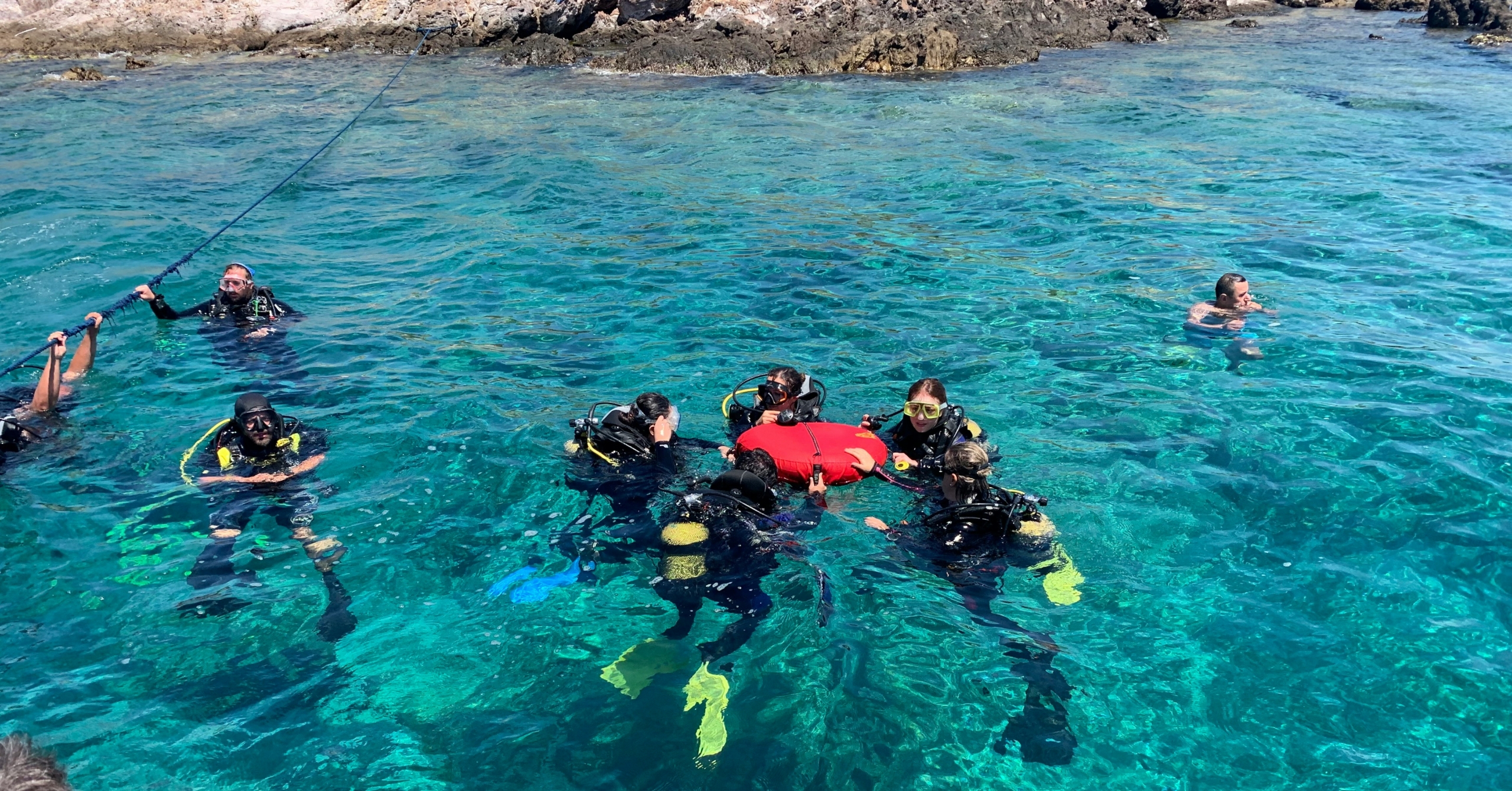
The work falls into several categories depending on the programme and the target species. Reef shark programmes typically involve underwater survey dives using established methods such as baited remote underwater video, transect surveys to record species, size, and abundance, and photo-identification of individual animals using natural markings. Whale shark programmes focus on surface encounters, measuring animals during snorkel passes, and contributing to individual identification databases built from spot patterns on the skin.
On land, volunteers contribute to data entry, database management, and the preparation of research reports. Understanding the full research process, from field collection through to analysis, is part of what makes these programmes useful for anyone building a career in conservation science.

The species you may encounter
Marine Impact programmes operate in the western Indian Ocean, across Mozambique and Zanzibar. These waters support significant shark populations. Whale sharks gather seasonally in Mozambique around Tofo Beach, one of the most reliably productive whale shark aggregation sites in the world, with over 850 individually catalogued animals in the local research database. Reef shark species including whitetip, blacktip, and nurse sharks are present across reef survey sites in both locations.
Encounters are not guaranteed on any given day. Marine research does not work on schedule. But the frequency of sightings in these locations, built on years of consistent survey effort, means the chance of meaningful encounters over a four to six week programme is high.
What you need to join
Most shark volunteer programmes require a PADI Open Water diving certification or higher, as the core survey work is conducted underwater. If you do not yet hold this qualification, it can be completed locally at the start of your programme. You need to be a confident swimmer and physically fit for extended time in the water. No prior research experience is necessary. Methods training is provided in the first days of the programme.
The wider conservation picture
Shark conservation does not happen in isolation. Reef health, fish population dynamics, and shark populations are connected. A healthy shark population is an indicator of a functioning reef ecosystem. Programmes that focus on shark research therefore sit within a broader reef conservation framework, and the data collected contributes to multiple strands of conservation work simultaneously.
Marine Impact’s programmes are based in biodiversity-critical environments where that interconnection is directly visible. Volunteers working on shark surveys will spend time observing the reef systems those sharks depend on, and will come away with an understanding of marine ecology that goes well beyond the target species.
What you take away
The practical skills gained on a shark conservation programme, including underwater survey techniques, species identification, behavioural observation, data recording, and photo-ID methodology, are directly applicable to postgraduate research and entry-level conservation roles. Employers and academic supervisors in marine science recognise field experience gained on structured research programmes. It demonstrates something a degree alone cannot show: the ability to do the work in conditions that are not controlled.
Beyond the CV, the experience of contributing to research on a species under serious threat, in waters where that threat is both visible and being actively addressed, tends to make a strong impression on the people who go through it.
Find out more
Marine Impact runs shark conservation programmes as part of its wider marine research portfolio. If you are considering a programme and want to understand which option fits your background and goals, get in touch. Tell us when you are thinking of going and we will help you find the right fit.