There is a moment that volunteers at our Mozambique research programme describe with unusual consistency. You are in the water, snorkel on, camera ready. The boat crew spotted the shadow from above. And then it appears. Not quickly. Not dramatically. Just slowly, impossibly large, moving through the blue like a geological event. A whale shark. The world’s largest fish. And you are two metres from it, taking photo-ID shots for a research database.
That moment is real. But it is not every day. And if you go to Mozambique expecting it to be, you will miss what makes this programme one of the most genuinely valuable marine conservation volunteer experiences in the Indian Ocean. So here is an honest account of what volunteering with whale sharks in Mozambique is actually like.
Where you will be based
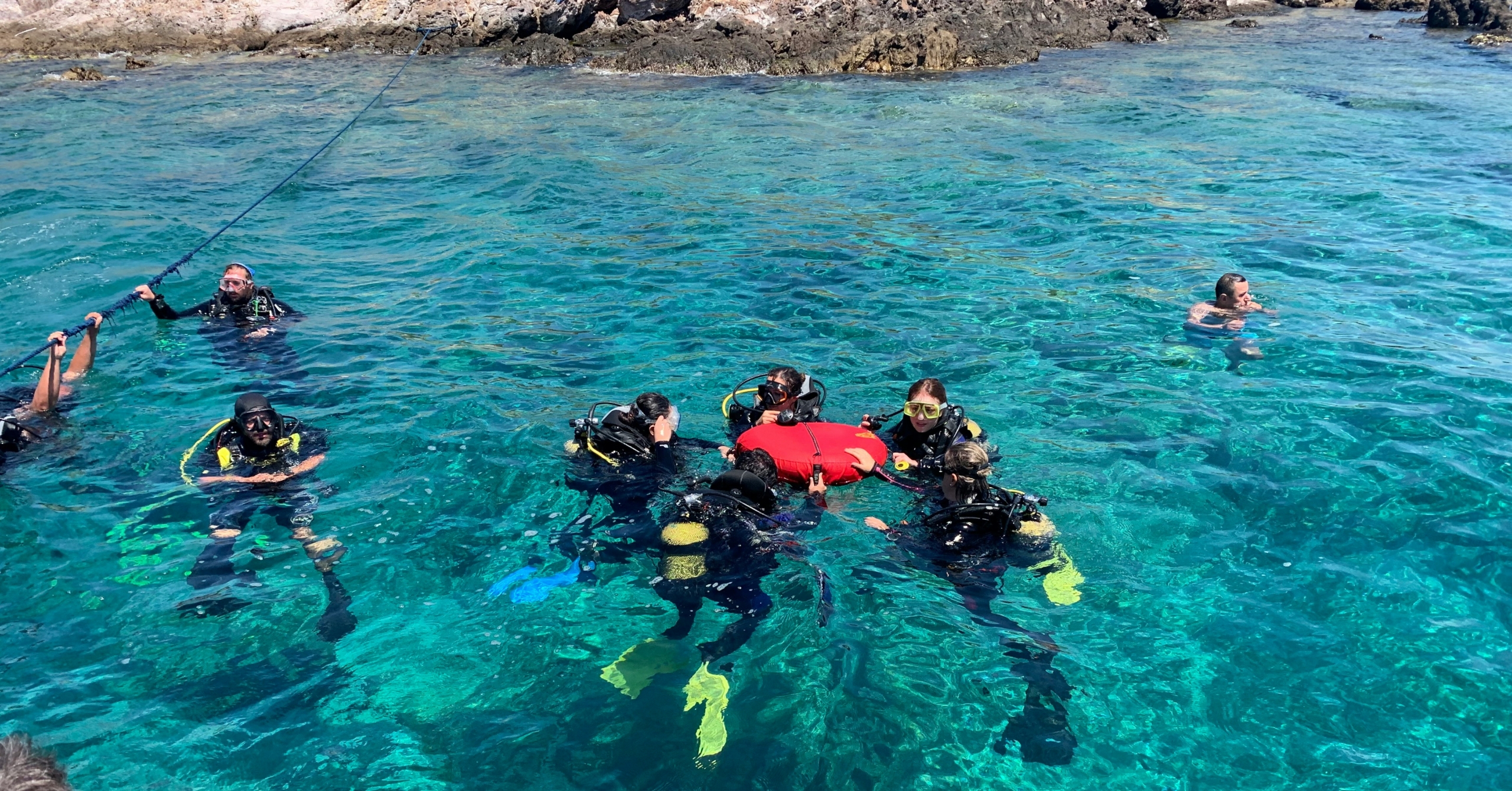
The programme is based in Tofo, a small beach town on the Inhambane Peninsula in southern Mozambique. It is not a resort. It is a working fishing and diving community of a few hundred people, a handful of restaurants and bars, one dive centre, and one of the most extraordinary concentrations of marine megafauna anywhere in the Indian Ocean.
You are a short walk from the beach at all times. The volunteer accommodation is close to the dive centre, which means mornings are short on commute and long on ocean. The town itself has a relaxed, genuine rhythm to it. There is enough going on to keep weekends interesting, and enough space and quiet to decompress after days in the field. It is the kind of place that takes a week to settle into and leaves people wanting to stay for months.
The research you will be doing
The Mozambique programme is based at Africa’s first permanent marine observatory, and the research it runs is long-term, rigorous, and genuinely consequential. This is not a programme where volunteer activities are designed around what visitors enjoy doing. It is a programme where volunteer activities are designed around what the science requires.
The core research work falls into several areas. Whale shark monitoring is conducted through ocean safaris, which are boat-based expeditions where volunteers snorkel with whale sharks and capture photo-ID images of their unique spot patterns, which are uploaded to a global database. Over 850 individual whale sharks have been identified in the Tofo area. Each ID shot you take adds to a population record that has been building for years.
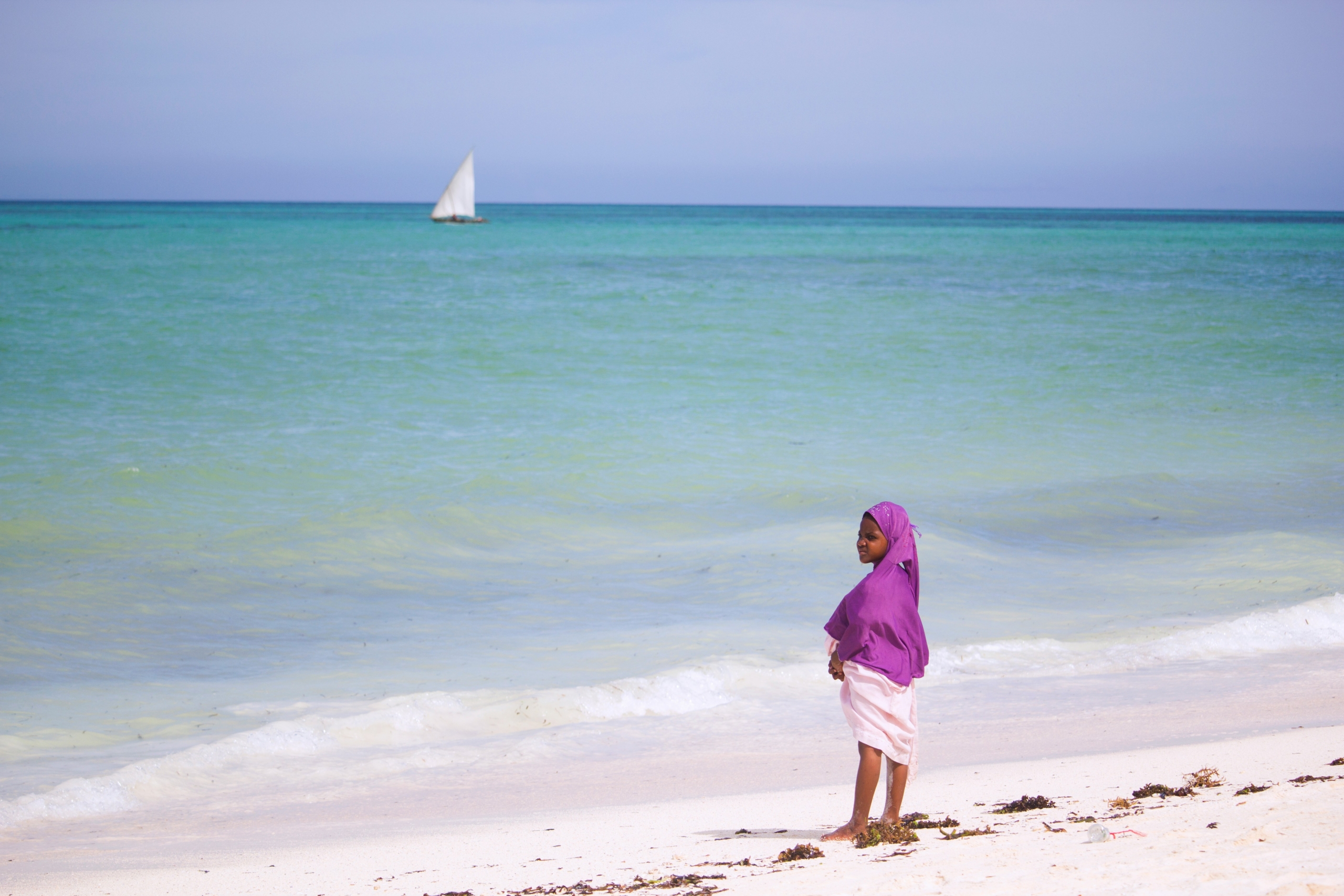
Manta ray research is conducted through scuba diving at known cleaning stations and feeding areas. The Inhambane area has one of the largest identified manta ray populations in the Indian Ocean, with over 1,000 individuals catalogued. As a volunteer, you will carry out behavioural surveys, assess reef health at cleaning stations, and collect photo-ID data on individual rays. Peak manta season runs roughly May to December, but they are seen year-round.
Coral reef monitoring involves underwater transect surveys assessing coral cover, bleaching extent, and indicator fish species, which is standard scientific methodology that requires care and attention rather than advanced marine biology knowledge. You will be trained in identification and survey techniques before your first research dive.
Beyond the flagship megafauna, the programme also monitors dolphins, sea turtles, leopard sharks, guitar fish, seahorses in the local estuary, and conducts regular microplastic surveys on the beach. The diversity of the research reflects the extraordinary biodiversity of this coastline.
Explore the full range of our marine research programmes to understand the scientific framework these activities sit within.
A typical week in the field
Days start early. Most research dives and ocean safaris depart around 7:30am, which means kit preparation begins before that. A typical weekday involves a morning on the water, either a research scuba dive on one of the reef sites or an ocean safari searching for whale sharks, followed by lunch, data entry and upload in the afternoon, and some combination of community work, species ID training, or a second dive or snorkel session.
You will not be in the water every single day. Weather and sea conditions dictate the schedule, and there are days when dives are cancelled or shortened. That is the reality of field research. On those days, the work shifts to data processing, species ID study, equipment maintenance, or beach surveys. The research does not stop because the conditions are difficult; it just changes shape.
Weekends are free. Most volunteers use them to dive recreationally, explore the surrounding coastline, or take trips to the historic port of Inhambane, which is a short boat or bus ride away and well worth a few hours of wandering.
What about the whale shark sightings?
Whale sharks are present in Tofo waters year-round, which is what makes this location exceptional. But their presence is not guaranteed on any given day. In good months, the ocean safari team will encounter them multiple times a week. In quieter periods, a week might pass with only one sighting, or none.
The honest advice: go expecting to contribute to whale shark research, and let the sightings be what they are. Volunteers who arrive with that mindset consistently describe the programme as one of the most rewarding experiences of their lives. Those who come primarily for guaranteed underwater encounters sometimes find the research rhythm harder to settle into.
When a sighting does happen, it tends to be extraordinary. Whale sharks in Tofo are not accustomed to avoidance. They pass close. They are unhurried. And the fact that your photo ID shot might be the one that connects a sighting here to a sighting three years later off the Maldives makes the encounter feel different from anything a tourist trip can offer.
Humpback whale season
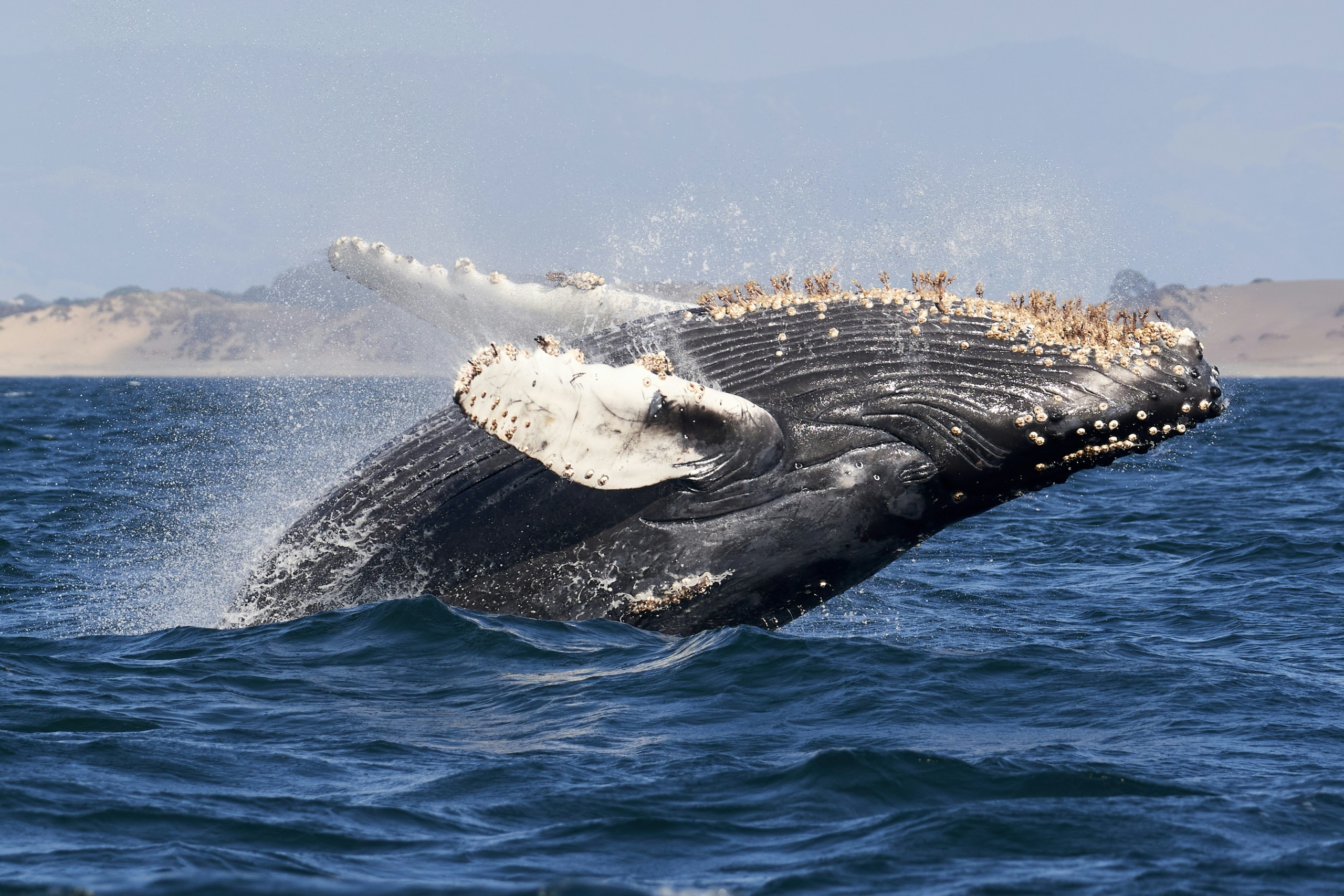
If your dates are flexible, June to September is worth knowing about. This is humpback whale migration season, when hundreds of humpback whales travel through the Tofo waters to mate and calve. The numbers are staggering. Multiple whale sightings per day, including mother and calf pairs, breaching animals, and extended surface activity, are common. It does not affect the core research programme, but it transforms the backdrop entirely. This is one of the most spectacular wildlife spectacles remaining in the Indian Ocean.
Do you need to be a diver?
For the full programme, a PADI Open Water diving certification is required. If you do not hold one, it can be arranged in Tofo before your placement begins or combined with your first week. The dive centre operates alongside the research programme, and getting certified here means learning in the same waters you will be researching in, with instructors who understand the research context.
Advanced divers will find the programme extends naturally into deeper reef work and more complex survey methodology. Some placements include SDI Research Diver certification as part of the programme.
If you are not yet ready to dive, snorkel-based whale shark ocean safaris and beach surveys are available as an entry point, though the range of research activities available is more limited. Our marine conservation internships in Mozambique offer the most intensive diving-based placements.
The Tofo effect
Something happens to most people who spend time in Tofo. The combination of extraordinary marine life, a research team that takes the science seriously, a small tight-knit volunteer community, and the unhurried pace of a working coastal town creates an experience that is genuinely hard to replicate.
The volunteers who come for two weeks often extend to four. The ones who come for a gap year return the following year as interns. The marine biologists on the research team were, in many cases, volunteers themselves a decade ago. That continuity is not accidental. It is what happens when a place and a programme are genuinely worth coming back to.
If you are considering it, the best thing to do is contact the team and tell us when you are thinking of going, what diving qualification you hold, and what you are hoping to get from the experience. We will help you figure out whether this programme is the right fit, and what to expect when you arrive.
You can also browse all Mozambique programmes or read more about what marine research volunteering involves before you decide.