
The reef does not look dead. That is part of the problem. From the surface, Zanzibar’s Indian Ocean waters remain extraordinary. Turquoise. Clear. Warm. Teeming, at first glance, with fish. But spend time below the surface, counting coral species on a transect, and a different picture emerges. Large sections of reef that were once vivid with hard and soft corals are now pale, bleached, and in places structurally collapsed. The biodiversity that depended on that coral is contracting. And the process, driven by warming ocean temperatures, is accelerating.
This is not a problem unique to Zanzibar. Coral reef systems worldwide are under severe stress. But Zanzibar is a particularly important case study because of the intersection of ecological significance, economic dependence, and research opportunity. And it is a problem that marine conservation volunteers are actively helping to track, document, and understand.
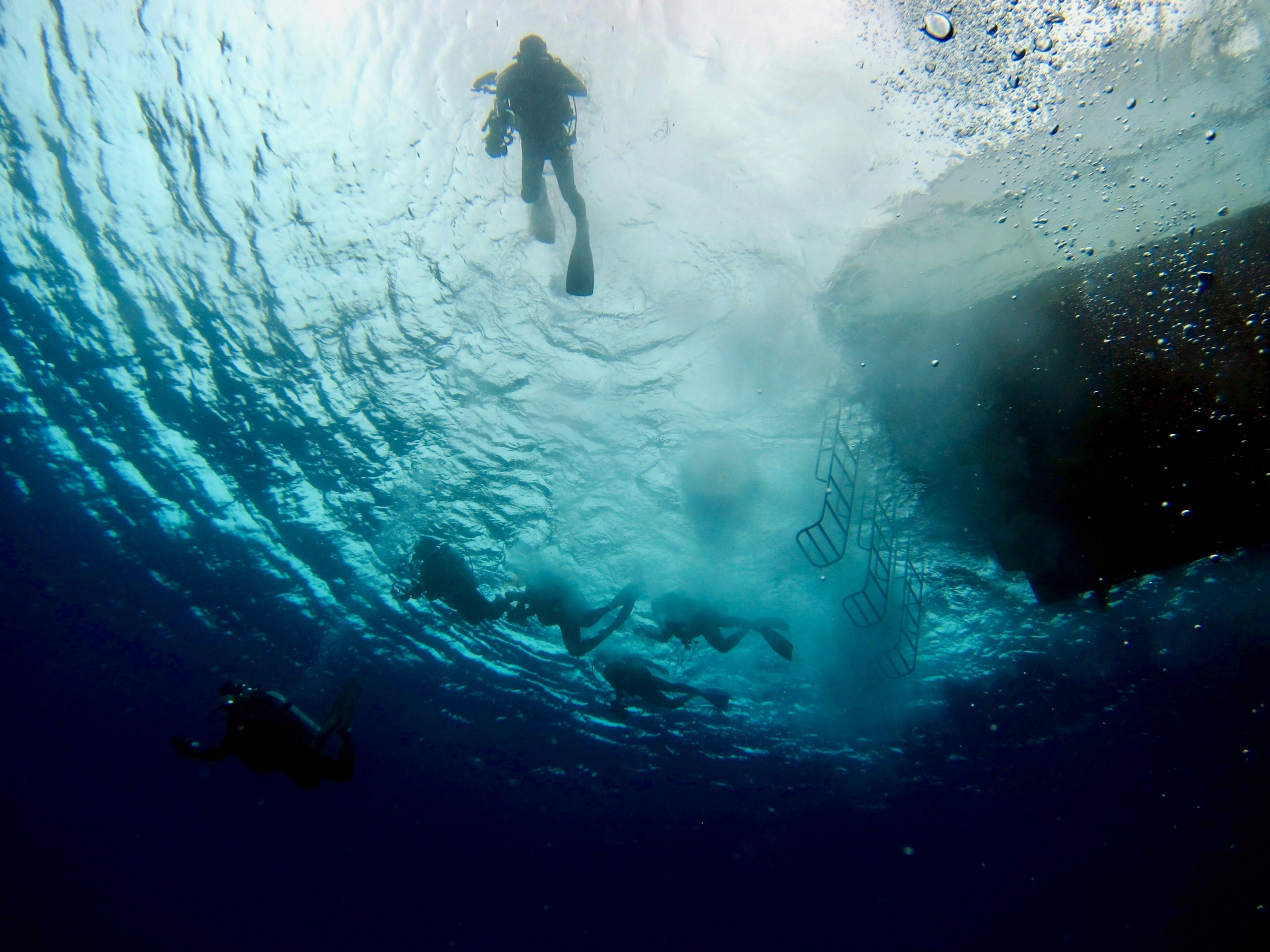
What is happening to Zanzibar’s reefs
Coral bleaching occurs when water temperatures rise above a coral’s thermal threshold for a sustained period. The coral expels the symbiotic algae living in its tissue, which gives it both colour and the majority of its energy. The result is the white, spectral appearance that gives bleaching its name. If temperatures return to normal quickly enough, the coral can recover. If the stress is prolonged or repeated, the coral dies.
Zanzibar has experienced multiple significant bleaching events. The Indian Ocean warming events of 1998 and 2016 caused severe damage to reefs across the region, and recovery has been uneven. Some sites show encouraging regeneration. Others are dominated by algae and rubble where structured reef once stood. The overarching trend is one of declining coral cover, declining biodiversity, and increasing frequency of thermal stress events as global ocean temperatures continue to rise.
Compounding the climate-driven damage are local pressures: destructive fishing practices including dynamite fishing and trawling, coastal development altering water flow and sediment loads, plastic and chemical pollution from inadequate waste management, and the sheer volume of unregulated marine tourism. Zanzibar receives significant tourist numbers, and not all of the underwater activity associated with that tourism is carefully managed.
Why monitoring matters
You cannot protect what you do not understand. Reef conservation decisions, whether about fishing regulations, marine protected area boundaries, tourism restrictions, or active restoration efforts, need to be grounded in current, accurate data about what is actually happening on the reef. That data requires consistent, systematic field monitoring. And consistent, systematic field monitoring requires people in the water, regularly, following established scientific protocols.
This is where volunteer contributions become genuinely consequential. Marine Impact’s Zanzibar reef programme has been running reef health surveys since 2013. The dataset that has been built up over that time tracks coral cover, bleaching extent, species composition, and indicator fish populations across multiple sites. When a bleaching event occurs, the programme can document its progression across different reef types, water depths, and exposure conditions. When recovery begins, it can be tracked with the same rigour. Without that baseline and that continuity, the conservation picture is guesswork.
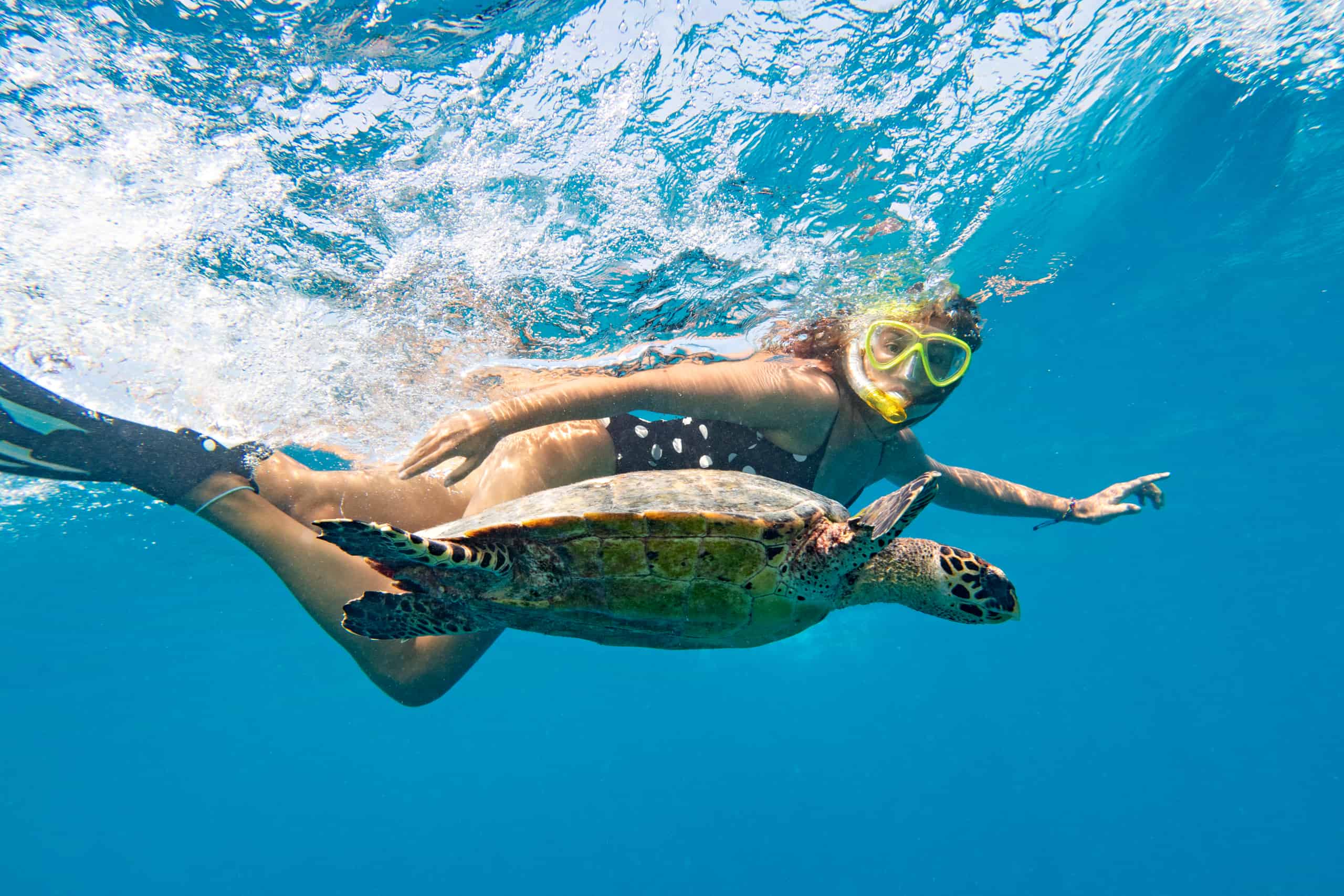
What volunteers actually do on reef surveys
Reef monitoring fieldwork is methodical and requires attention rather than expertise. Volunteers are trained on arrival in the survey techniques used by the research team, and all work is supervised by qualified marine scientists throughout.
Standard reef health surveys involve swimming transects at defined depths and recording coral species, percentage cover, signs of bleaching or disease, and the presence of key indicator fish species. The methodology is consistent across every survey, which is what makes the data comparable over time. You are not free-diving and taking notes on whatever you happen to see. You are following a structured scientific protocol that produces data points that fit into a dataset built up over more than a decade.
Volunteers also contribute to coral bleaching surveys specifically, which are conducted on a regular schedule and intensified during periods of elevated sea surface temperature. These surveys track the progression of bleaching across monitored sites, which species are most affected, and whether any recovery is visible between survey rounds. The results feed directly into the research team’s reporting to local conservation partners and government agencies.
Beyond the underwater work, reef conservation in Zanzibar also involves community education. Volunteers contribute to conservation club sessions for local school children, helping build awareness of reef ecology and the threats facing it. Local fishing communities are also engaged through the programme’s broader work on sustainable fishing practices and marine protected area support.
Is there any good news?
Yes. Coral reefs are more resilient than their bleached condition sometimes suggests, and some Zanzibar sites show meaningful recovery between thermal stress events. Research has identified certain coral species and certain reef structures that are more thermally tolerant than others, and conservation efforts globally are increasingly focused on understanding and protecting those resilient populations as potential seed banks for future recovery.
The dolphin research programme in Zanzibar, running in parallel to reef monitoring, demonstrates what long-term committed research and community engagement can achieve in terms of shifting the practices that cause secondary damage. The 25 certified Ethical Boat Drivers trained through that programme are one example of conservation outcomes that emerge when data and community partnership work together.
And the volunteers who commit to reef survey work contribute to something that is, quietly, one of the most important forms of ocean conservation currently underway: building the continuous, long-term datasets that scientists need to understand how reefs respond to warming, which sites are most resilient, and where protection and restoration effort will have the most impact.

What this means for you as a volunteer
If you are considering a marine conservation volunteer placement in Zanzibar, reef survey work will be a core part of your fieldwork. It is not the most glamorous element of the programme. There are no whale shark encounters on a transect dive. But it is, in many ways, the most important work the programme does, because it is the work that the science depends on.
You will spend time underwater that is methodical, focused, and sometimes repetitive. You will also spend time underwater surrounded by the extraordinary biodiversity of East Africa’s Indian Ocean coast. The peacock mantis shrimp. The moray eel in the overhang. The school of yellowfin tuna that appears and disappears in seconds. The reef, even under stress, is full of life. That life is worth protecting. The monitoring work you do contributes directly to understanding how to protect it.
If you want to discuss which of our Zanzibar programmes is the best fit for your background and dates, contact the team and we will help you find the right placement.