People often use volunteering and interning interchangeably when they enquire about Marine Impact. The two tracks share a location, share a research programme, and often share a dive boat. What separates them is depth, not destination.
The starting point is the same
Both tracks put you in the field alongside professional marine scientists, working on genuine research rather than a programme built to keep visitors occupied. Neither requires prior research experience. Both expect a basic level of comfort in the water and, for most programmes, a PADI Open Water diving certification, which can be arranged locally if you do not already hold one.
What separates a volunteer placement
A volunteer placement runs from two weeks, with new cohorts starting on a rolling basis throughout the year, so there is no fixed date to plan around. Fieldwork covers reef surveys, species identification, photo identification and, depending on destination, megafauna monitoring and community education work with local schools. You are trained on arrival and supervised throughout, contributing directly to research that has been running for years.
What separates an internship
An internship asks more of you, and gives more responsibility back in return. Interns take on research scuba diving, reef health transects, and megafauna monitoring dives as standard, along with data analysis and scientific report writing. Some programmes include SDI Advanced Adventure Diving or Research Diver certifications as part of the placement. Internships run from four weeks to three months, and the longer placements produce the most substantial field experience. Universities can often build these into academic credit or dissertation requirements, which is why internships attract mostly students and early career professionals building a case for postgraduate study or a conservation career.
What alumni actually do with it afterward
The two tracks tend to lead different places once the placement ends. Volunteers often carry the experience forward as a formative one, whether they end up in conservation or not. Interns more often use the placement as a direct stepping stone, citing the field hours and methodology training on postgraduate applications or in interviews for entry level conservation and environmental roles. Neither outcome is more valid than the other, but it is worth being honest with yourself about which one you are actually working toward before you choose.
The honest way to choose
If you want a meaningful two to four week contribution to ongoing research, without needing to justify the time against a degree or career plan, volunteering is the better fit. If you need documented field hours, a structured research methodology background, or evidence for a university or employer that you can do applied science work in the field, an internship earns you more of what you need, at the cost of a longer commitment and a steeper learning curve.
Where Zanzibar fits into both
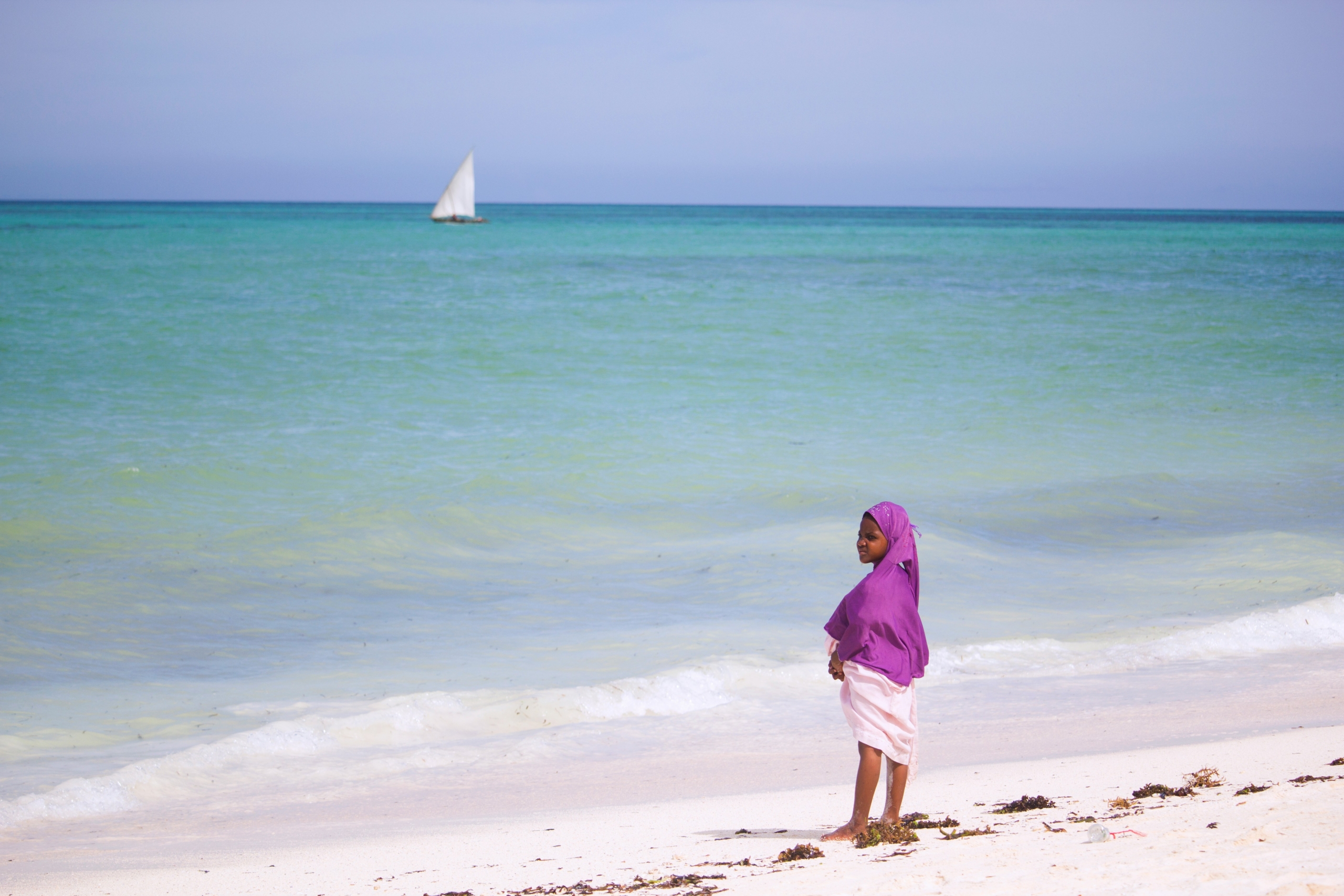
Zanzibar’s dolphin research and reef monitoring programme runs both tracks side by side. Volunteers and interns work from the same base in Jambiani, often on the same boats, with interns taking on more of the data analysis and research diving components. If you are still deciding between the two, tell us what you are trying to get out of the experience and we will tell you honestly which track actually delivers it.
Compare Marine Impact’s volunteer and internship programmes here.