
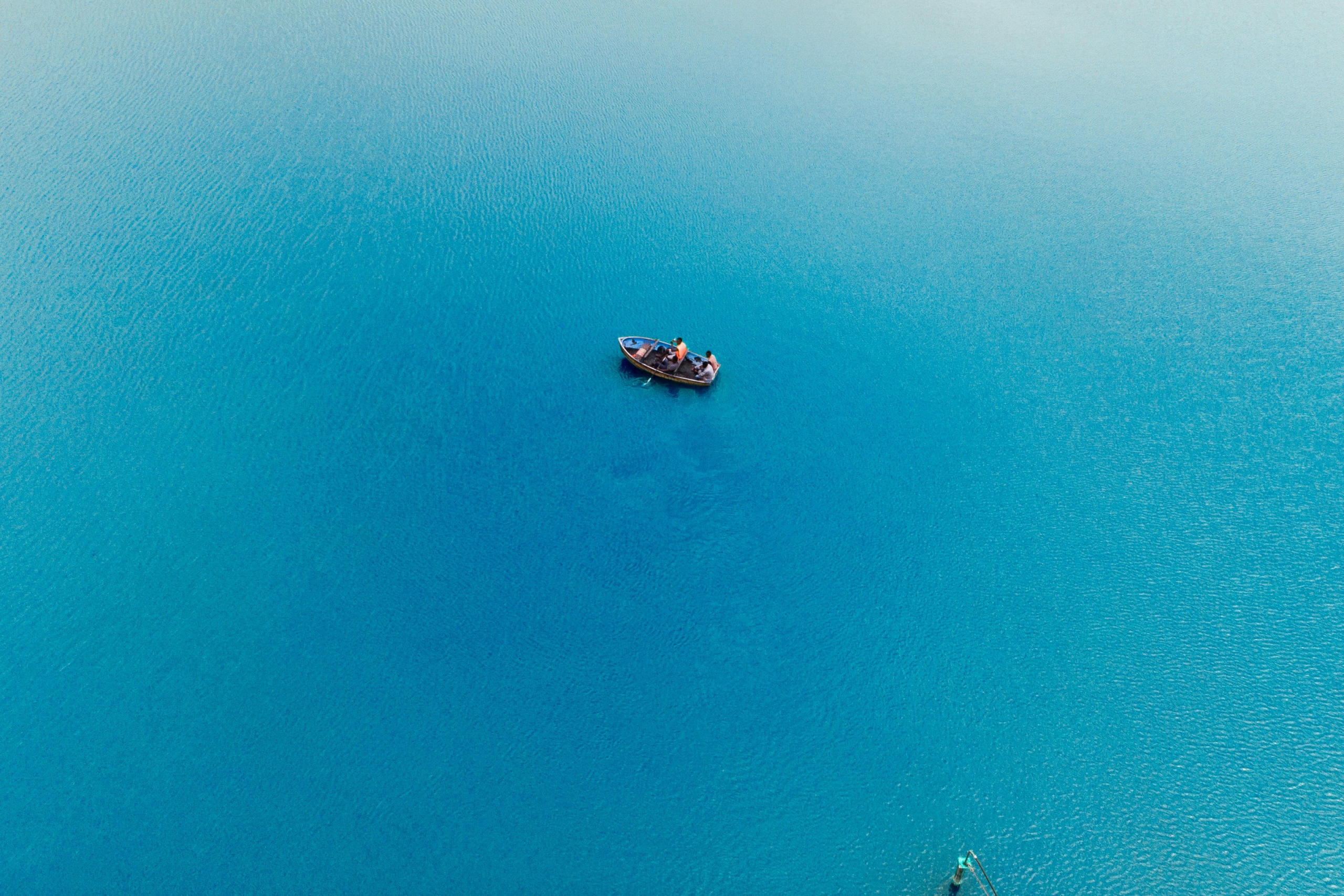
Ask why Zanzibar’s coral is in better shape in some places than others, and the answer often comes down to who is managing the water, not just what is growing on the reef. Along stretches of the coast, some of the same men who used to fish reef fish with nets, and in worse cases with dynamite, are now the ones taking visitors out to see the coral survive.
Why the shift happened
Destructive fishing methods damage reef structure fast and permanently. A blast that kills fish in seconds can flatten coral that took decades to grow. As protected areas expanded around sites like Chumbe Island and Menai Bay, the old methods became both illegal and increasingly unproductive, since a damaged reef holds fewer fish than a healthy one. Guiding paid better, required the same local knowledge of the water, and did not use up the resource it depended on.
What the retraining actually looks like
Becoming a guide is not a weekend course. Former fishers learn to identify species, explain reef ecology to visitors who have never snorkelled before, and follow strict rules around contact with coral and wildlife. Some train specifically to support research work, helping visiting scientists and volunteers navigate sites they have fished their whole lives but never studied formally. The knowledge runs the other way too. Researchers rely on that local experience of where fish spawn, where currents run strongest, and where the reef has changed most over the years.
Coral nurseries built on the same knowledge
Alongside the guiding, community groups along the coast run coral nurseries, growing fragments of hardier coral species on underwater frames before transplanting them onto damaged reef. The people doing that work are frequently the same fishing communities whose livelihoods depend on the reef staying alive. It is not conservation happening to a community. It is conservation happening because of one.
It changes who gets listened to
There is a quieter effect too. A fisher turned guide has decades of unrecorded knowledge about a reef that no visiting researcher could gather in a single season, and protected area management works better when that knowledge is treated as expertise rather than background colour. Meetings about how a marine park should be run increasingly include the guides and former fishers who know the water best, not just the officials and scientists overseeing it on paper. That shift in who has a seat at the table tends to matter as much, over years, as any single restoration project.
Why this matters beyond Zanzibar
None of this fixes a warming ocean, and coral bleaching driven by rising sea temperatures remains the biggest long term threat to reefs here and everywhere else. But a reef with fewer destructive fishing pressures and active local stewardship recovers faster from bleaching than one without. The retraining of fishers into guides and reef managers is one of the more durable pieces of Zanzibar’s conservation picture, because it does not rely on outside funding continuing forever. It relies on people who already live there having a reason to keep the reef alive.
Marine Impact’s volunteers contribute reef health survey data that feeds into the same conservation picture, working alongside local teams and using the same protected sites. If you want to see that work up close, get in touch and we can talk you through what a placement looks like.
Read more about Marine Impact’s Zanzibar reef research here.