
Zanzibar’s reefs run for miles through warm, clear water in the Indian Ocean, and they hold one of the richest concentrations of marine life on the East African coast. In a single afternoon of snorkeling off Mnemba Atoll, you can pass through schools of parrotfish, watch a hawksbill turtle graze on sponges, and, between September and December, swim alongside a whale shark large enough to dwarf the boat that brought you out. This is not a rare stroke of luck. It is what the water here does most days of the year.
Chumbe Island’s coral park
South of Stone Town, Chumbe Island holds one of the first marine parks built in East Africa, and it is still regarded as the healthiest reef system on the island. Surveys have recorded 474 species of reef fish around Chumbe, close to 90 percent of every coral species known in East Africa, and blacktip reef sharks patrolling the shallows at low tide. Rangers from nearby fishing villages manage the park day to day. The island’s eco lodge runs on solar power and collects its own rainwater, built to leave as small a footprint as possible on the reef it protects.
The reef fish and other residents
Zanzibar’s waters have recorded more than 500 marine species across the reef flats and the deeper channels beyond them. Parrotfish, emperors, groupers and kingfish move across the coral through the day, while octopus and reef squid come out mostly at night, when local fishers still catch them by hand and spear in the shallows. Off Pemba, the northern island in the Zanzibar archipelago, divers regularly come across the Napoleon wrasse and the reef manta ray, two of more than 40 threatened species recorded in that channel.
Whale sharks at Mnemba Atoll
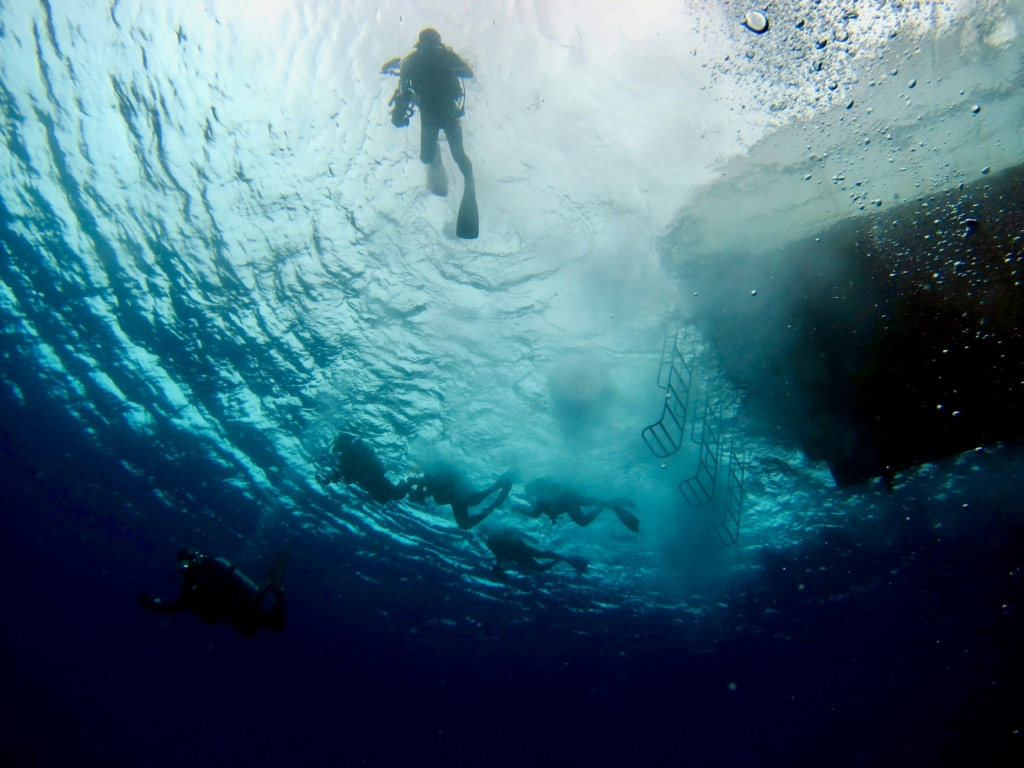
Mnemba sits a short boat ride off Zanzibar’s northeast coast and is protected as a marine conservation area. Whale sharks pass through these waters from September to December, following the plankton blooms that draw them in from deeper ocean. Green and hawksbill turtles nest on Mnemba’s beaches. Pods of dolphins are a regular sight on the crossing out to the atoll, sometimes riding the bow wave of the boat for minutes at a time.
Dolphins and dugongs in Menai Bay
On the opposite side of the island, Menai Bay Conservation Area covers 470 square kilometres of water, the largest protected marine area in Zanzibar. Bottlenose and humpback dolphins live here year round, alongside green turtles and a string of small islets fringed with mangrove forest. Menai Bay is also one of the last places in the region where dugongs are still occasionally sighted, though the population is small enough that a single sighting can make local news.

The pressure on the reef
Warming seas have brought more frequent coral bleaching to Zanzibar over the past two decades, and the reef has not had long enough between events to fully recover. Overfishing, anchor damage from tourist boats, and destructive fishing gear add to the strain on coral that took centuries to build. Even a dropped anchor on a shallow reef can snap coral that took decades to grow, which is why several conservation areas now require boats to use fixed moorings instead. The island’s economy runs on both tourism and fishing. That means the reef’s health and the health of the local economy are tied together far more closely than most visitors realise.
What conservation looks like here
Community groups along the coast run coral nurseries, growing fragments of hardier coral species in underwater frames before transplanting them onto damaged reef. Some fishing crews have given up destructive gear inside protected areas, and a number now train as dive guides instead, taking visitors out to see the reef rather than fish it. Local organisations also run fish counts and reef surveys through the year, building a record of what lives where and how that changes as the water warms. None of this undoes a warming ocean on its own. But it slows the damage, and a slower rate of loss is often the difference between a reef that recovers and one that does not.
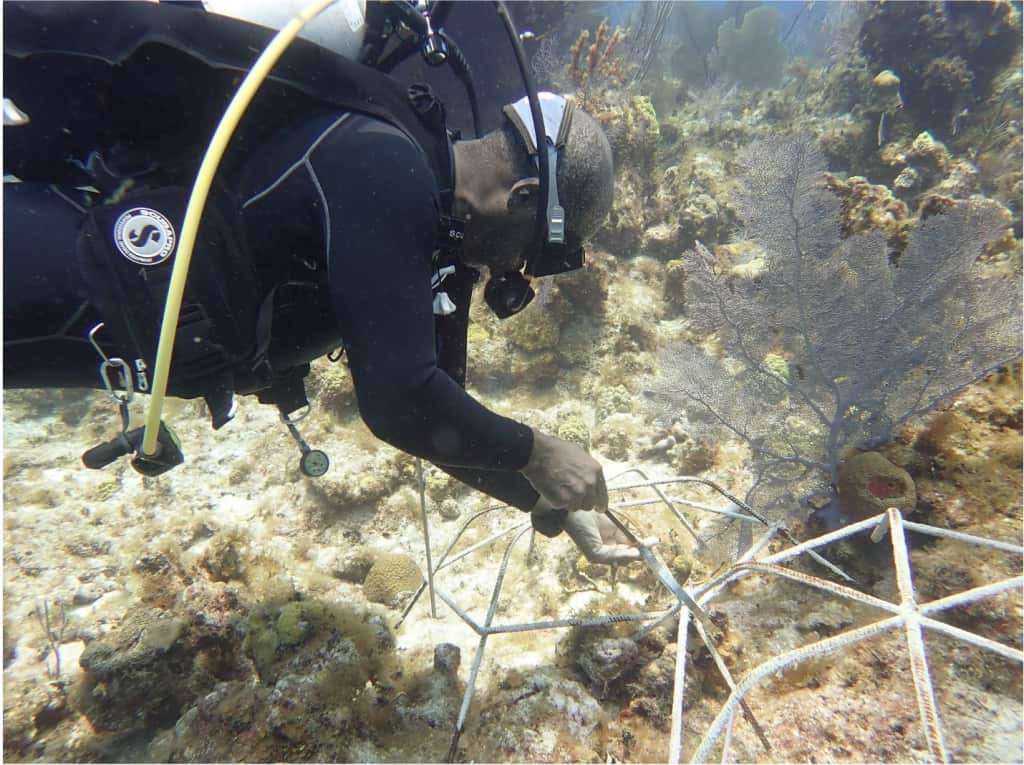
Marine Impact runs volunteer placements on Zanzibar’s reefs, working alongside these local teams on survey dives, coral nursery maintenance, and fish counts. Volunteers spend weeks in the water rather than a single dive, which is long enough to notice the difference between a healthy patch of reef and one still recovering from bleaching. If you want to see this reef system before deciding whether to get involved, get in touch and we can talk you through what a placement here actually looks like.